With Brault, you have everything you're looking for in a DAM. Everything, but the price.
Brand Managers are switching to Brault to maximize ROI using more advanced capabilities vs. traditional DAMs at a fraction of the price. Welcome to the revolution of digital asset management.
Digital Asset Management (DAM) explained: what it is, who it’s for, and why teams choose Brault over traditional DAMs
Brand usage 
 Brault includes brand usage.Traditional DAMs include brand usage.
 Advanced access control
Brault includes advanced access control.Traditional DAMs include advanced access control. AI Search
AI Search Brault includes AI Search.Traditional DAMs include AI Search.Ability to download compressed files
Brault includes the ability to download compressed files.Traditional DAMs include the ability to download compressed files. Workspaces
Brault includes workspaces. Traditional DAMs do not include workspaces.
 Customization
Brault includes customization.Traditional DAMs do not include customization. Pricing
Fast onboarding
Brault includes fast onboarding.Traditional DAMs do not include fast onboarding. Integrated transfers
Brault includes integrated transfers.Traditional DAMs do not include integrated transfers.Public link sharing
Brault includes public link sharing.Traditional DAMs include public link sharing. Find anything instantly with AI search
Brault uses AI to understand the content of your images, videos, audio, and documents—so you can instantly find exactly what you need. We analyze texts, visuals, colors, sounds, and even subtle details, letting you discover what you're looking for in milliseconds through the smartest search engine—free starting from our Free Plan.

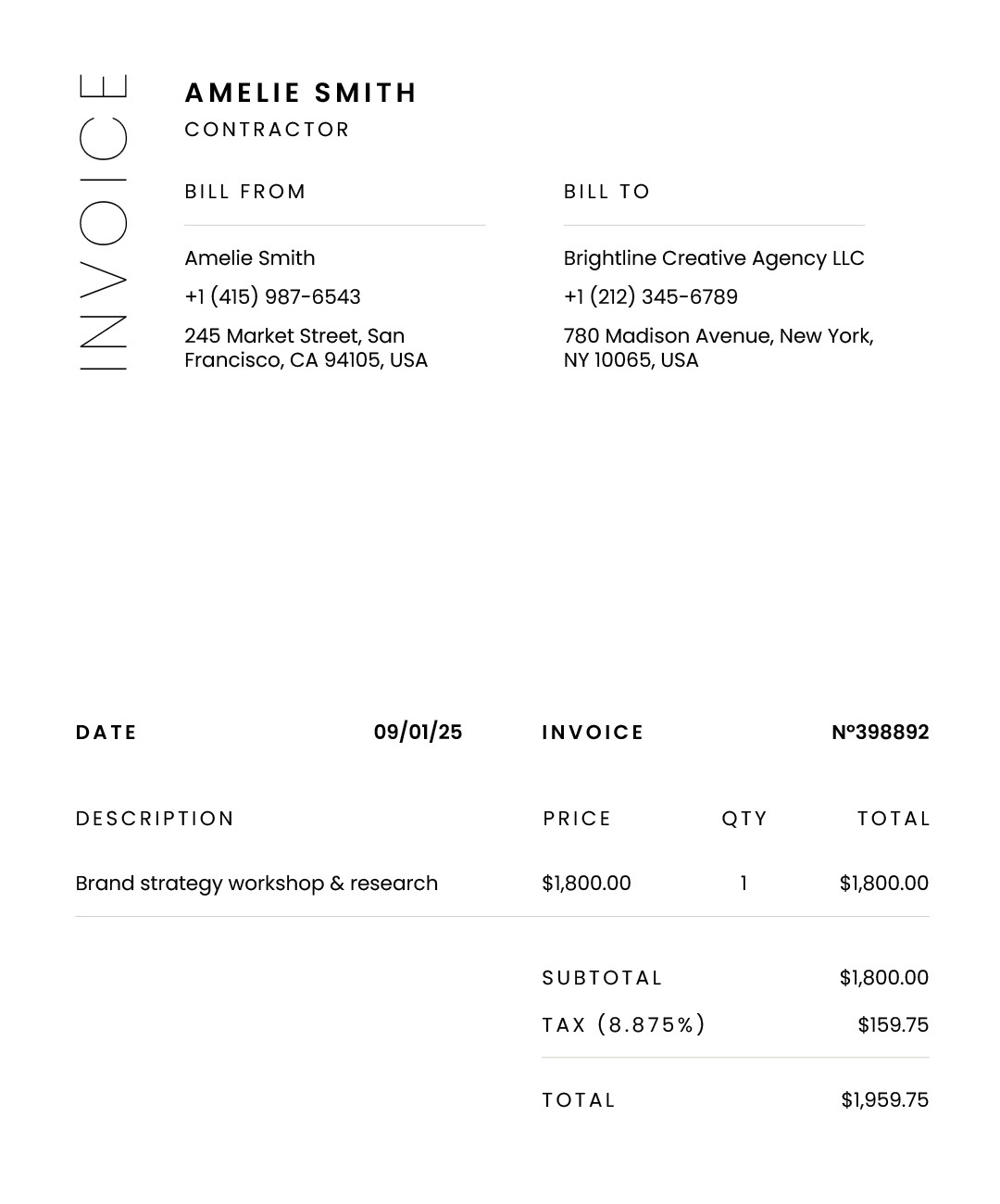
Built for teams of any size that care about creativity
Brand & Marketing teams
Keep campaigns, brand assets and guidelines in one place. Share with agencies and partners without paying enterprise DAM prices, whether you manage a handful of projects or hundreds.
Creative agencies & studios
Store all client work, send huge deliveries via BTransfer and collect feedback in one platform that keeps you looking premium.
Startups & growing businesses
Get DAM-like capabilities without enterprise overhead. Start free, scale as your content grows.
FAQs
Want a deeper dive? Read our complete guide: What is a DAM? Costs, Features, and Modern Alternatives.
What is a Digital Asset Management (DAM) system?
A Digital Asset Management (DAM) system is a centralized platform to store, organize, find, govern, and distribute digital assets (images, videos, documents, designs, and more). It typically includes permissions, versioning, sharing, and metadata so teams can reuse the right content faster and keep brand consistency. Brault fits this definition while focusing on speed, usability, and AI-assisted discovery.
What makes Brault a better alternative to traditional DAM solutions?
Brault offers all the advanced capabilities you expect from a Digital Asset Management (DAM) system at a fraction of the price. AI Search, workspaces for flexible organization, and integrated transfers are included in every plan, starting at $0/month. At ~$12/TB vs ~$1,000/TB for traditional DAMs, the pricing difference is roughly 100x. Every plan has transparent, published pricing with no hidden fees.
How does Brault compare to traditional DAMs in terms of pricing?
Brault is significantly more affordable, costing only ~$12 per TB compared to the average ~$1,000 per TB charged by traditional DAM solutions (based on Brault's internal analysis of ~30 DAM vendors). This allows businesses to maximize ROI without compromising on features.
Does Brault support brand customization and personalization?
Yes. Brault provides a fully personalized experience using your brand across the entire application, including transfers and links. You can customize white-label links, brand assets, and the interface. This level of brand customization is included in all plans, while traditional DAMs typically reserve it for enterprise tiers.
How does Brault's AI Search work compared to traditional DAMs?
Brault's AI Search uses interpretative AI assistance to help you find assets faster than traditional DAMs. Key advantages include:
- Natural language search: Search using conversational queries instead of exact keyword matches
- Cross-workspace discovery: Find assets across folders and workspaces instantly
- Less manual tagging: AI helps propose tags and improve findability, reducing the manual effort needed to keep libraries searchable
Is it easy to get started with Brault compared to traditional DAMs?
Definitely. With Brault, you can get started in just one click without any lengthy onboarding processes. This fast onboarding experience allows you to integrate Brault into your operations quickly and efficiently.
Does Brault offer advanced access control for my digital assets?
Yes, Brault's advanced access control panel gives you full control over all files and folders you share. It allows centralized management and modifications, ensuring your digital assets are securely managed according to your preferences.
What are Workspaces in Brault, and how do they benefit me?
Workspaces in Brault allow you to classify your digital assets based on your own criteria. You can organize your files with as much granularity as you need, keeping your storage clean, simple, and flexible—a feature not commonly available in traditional DAM solutions.
Can I share files and folders easily with Brault?
Yes. Brault includes integrated transfers through BTransfer, our built-in engine for sharing large files up to 250 GB securely. Send branded transfer pages with password protection and expiration dates, without needing a separate file transfer service.
Does Brault support public link sharing?
Yes, Brault allows you to share public links, making it easy to share your digital assets with others while maintaining control over access and permissions. You can set expiration dates, password protection, and manage permissions centrally through the access control panel.
What types of businesses benefit most from Brault vs a traditional DAM?
Brault is particularly beneficial for creative agencies, marketing teams, content production studios, and brands with large multimedia libraries. Any business that values speed, affordability, and AI-powered workflows over complex enterprise DAM features will find Brault transformative. It's ideal for growing companies that need professional DAM capabilities without the traditional high costs and lengthy implementation processes.
Is Google Drive or Dropbox a DAM?
No. Google Drive and Dropbox are file storage and synchronization services. While they help you store and share files, they lack the core DAM capabilities: advanced metadata management, AI-powered search across content (not just filenames), brand customization, centralized access control, versioning workflows, and governance features. A true DAM like Brault provides organization, discovery, and brand management capabilities that generic cloud storage cannot match.
What does a traditional DAM implementation typically involve?
Traditional DAM implementations typically involve weeks or months of planning, custom deployment, IT integration, extensive onboarding sessions, and often require professional services. Many platforms also charge implementation fees and require long-term contracts. In contrast, Brault lets you get started in minutes with no credit card required, no demo calls, and no lengthy onboarding processes. You can migrate at your own pace and scale as needed.
What security features does Brault provide?
Brault implements state-of-the-art security measures including: advanced data encryption for both data in transit (HTTPS/TLS) and data at rest, compliance with SOC-1, SOC-2, SOC-3, HIPAA/HITECH, FedRAMP, GDPR, and FISMA standards, granular access control and permissions management, and secure sharing options with expiration and password protection. Your digital assets are protected with enterprise-grade security practices.
Can Brault replace both DAM and traditional file storage systems?
For many teams, yes: Brault can replace a traditional DAM and reduce reliance on generic file storage by combining organization, governance, and sharing in one place. This unified approach simplifies your tech stack and reduces costs while providing the advanced features teams need for digital asset management.
Is there a migration path from traditional DAM platforms to Brault?
Yes. You can migrate from a traditional DAM into Brault by moving your asset library and the structure that matters (folders/workspaces, permissions, and metadata where applicable). The best approach depends on your current DAM and how your metadata is stored, but the goal is the same: reduce downtime and keep your library searchable from day one.
Does Brault offer API access and developer support?
Brault provides API access for integrations and automation. Teams can integrate Brault into their own systems for syncing assets, automating workflows, or connecting internal tools. Availability and limits depend on your plan and requirements.
How does Brault handle metadata and AI tagging?
Brault supports structured metadata (so assets stay organized and filterable) and AI-assisted tagging to reduce manual work. In practice, teams can keep consistent metadata standards while letting AI help propose tags and improve findability—always with the option to review, edit, or enforce custom fields.
How does Brault scale as your asset library grows?
Brault scales efficiently as your asset library grows through several key features: AI-powered search that remains fast regardless of library size, flexible metadata and tagging systems, workspaces that adapt to your organizational needs, granular permissions that scale with your team, and transparent pricing that grows with your storage requirements without hidden enterprise fees.
The place where your
live
A simpler way to manage creative files